
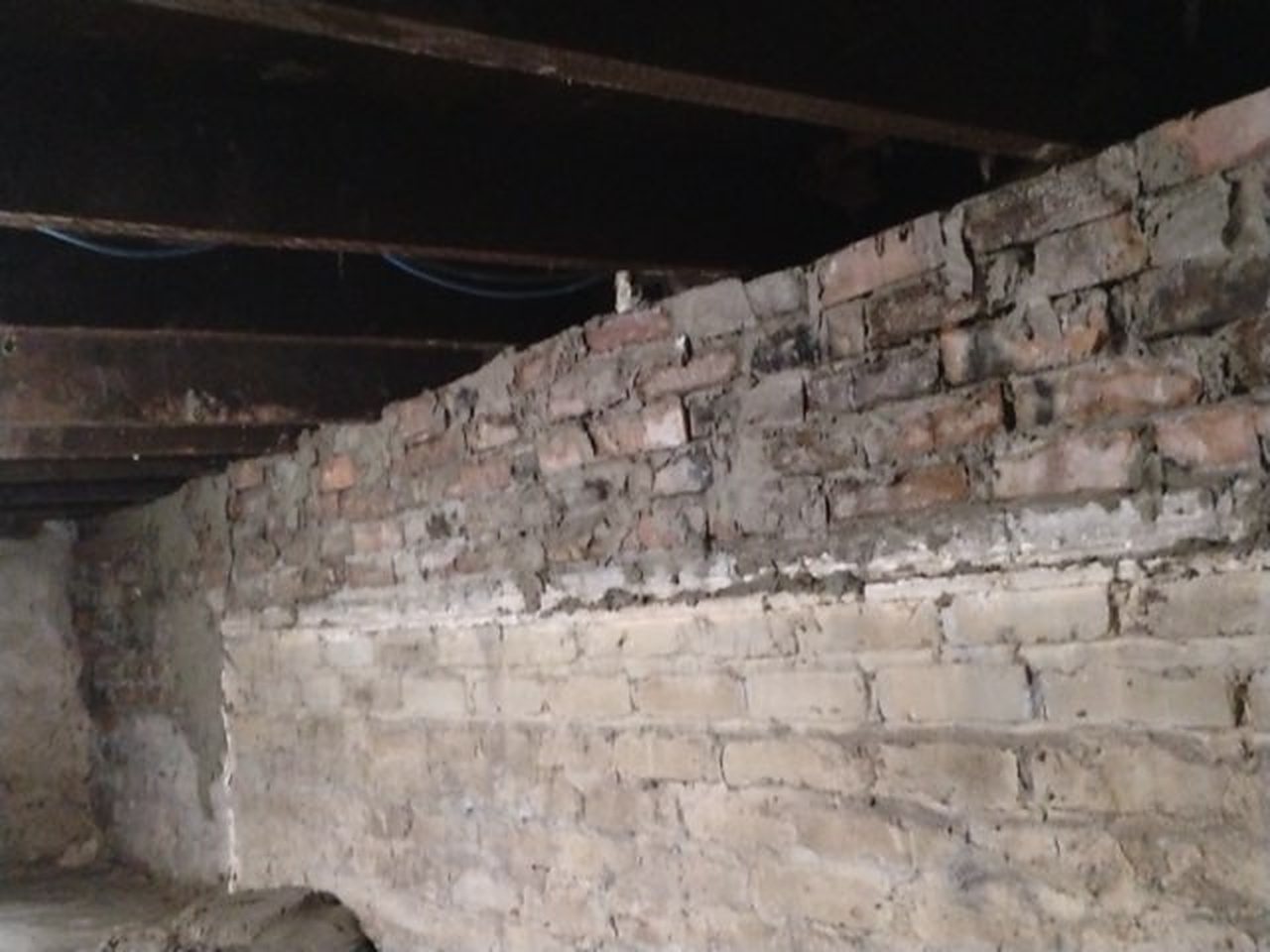
Cutting out the old, packing in the new
In a brick or stone wall, the mortar is the part that gives. That is how it should be, since redoing joints is a much smaller job than replacing brick. When the joints go sandy and hollow, though, water and frost start getting in behind them.
Tuckpointing is the repair. The bad mortar gets ground or chiseled out of each joint, back to mortar that is still sound. The joint gets cleaned out. Then new mortar is packed in, in layers if the joint is deep, and tooled to look like the joints around it. Mortar smeared over the top of a bad joint does not last, because it has nothing solid to hold on to.
What Iowa winters do to the joints
Des Moines winters freeze and thaw over and over. Rain and melting snow soak into a joint that has started to open. The water freezes, swells and pushes the joint apart a little more. Then it thaws, takes on more water, and freezes again. After enough winters of that, the mortar is sand.
Brick and stone faces pop off the same way once water is sitting in them. Masons call that spalling. It shows up first where a wall stays wet the longest. Below a gutter that leaks. Near the ground, where shoveled snow gets piled against the house and sits there into spring. Around a downspout that empties at the wall.
What worn mortar looks like
Walk around the outside of the house, then check the basement walls. Worn joints look like this.
- Mortar that scrapes out with a key or a screwdriver
- Joints sunk back from the face of the brick, or empty
- Sand on the ground under an outside wall, or on the basement floor
- Brick or stone faces flaking and popping off
- Damp showing inside behind a wall with open joints
Cracks that follow the joints
A crack that climbs a wall in a stair step line through the joints is a little different from worn mortar. It can mean part of the house has moved. New mortar fills the gap, but some walls need a structural engineer to look first, especially when the crack is wide or keeps opening.
Lime mortar and the older houses
On older Des Moines houses the mortar mix matters. Brick and stone from the late 1800s and early 1900s were laid in lime mortar, which is soft, and the brick from back then is softer than brick made now. Beaverdale is known for its brick houses, and the neighborhoods around Drake and Sherman Hill have plenty of old brick and stone too.
Tuckpoint a wall like that with hard cement mortar and the joints end up harder than the brick. Then the brick takes the stress and holds the water instead of the joint, and the edges of the brick crumble. Masons go by a simple rule: the mortar should be softer than what it holds. On an old wall that means a mortar with lime in it, close to what was there to begin with. Gray cement smeared over soft joints in some earlier repair is common on these houses, and it usually has to come out.
On the outside of a house the color matters too, so the repair does not stand out from the street. Ask Joe about matching the mortar on your house.
Outside walls and basement walls
Most people think of tuckpointing as work on the outside brick of a house, and Joe does that. He also does it down in the basement, where old stone and brick foundation walls lose their mortar as water works through them.
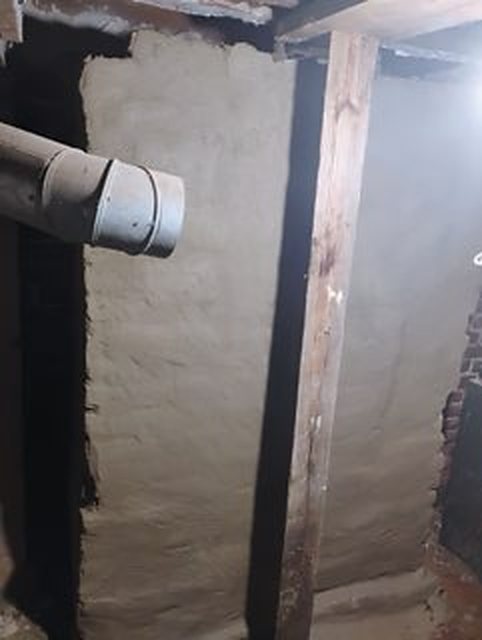
In a basement, tuckpointing is often where a bigger repair starts. The worst joints get packed with new mortar, and then the wall may get a coat of cement over the top. That side of it is on the basement wall repair page.
Chimneys are their own kind of job. If yours needs work, ask Joe about it.
Timing it around the weather
New mortar should not freeze before it cures, so outside tuckpointing in Iowa mostly happens from spring into fall. Work inside a basement is out of the weather, and the season matters less down there.
Spring, after the snow is gone, is a good time to walk around the house and look at the joints. The winter's damage shows then, and it is easier to see before the bushes leaf out.
Getting a price on tuckpointing
Text Joe at (515) 777-5018. Send a photo of the whole wall and one close enough to see the joints. Say if it is an outside wall or a basement wall, and if it is brick or stone, and add your part of Des Moines.
JC Cement is based in Des Moines. If you live outside Des Moines, call or text and ask.