What a wet basement looks like
Some leaks are easy to spot. Water runs across the floor after a hard rain, or a puddle shows up in the same back corner every spring. Others are slower. A dark band along the bottom of the wall. Paint that bubbles and flakes off. White powder or a crust on the stone or block. Cardboard boxes that come up soft on the bottom, and a musty smell that never really leaves.
Each of those points somewhere. Water that shows up the day after a storm and dries out within the week is a different problem from a wall that stays damp all year. Two things help sort that out: when it gets wet, and where the wet shows up first.
Clay, snowmelt and storms
Most of the ground around Des Moines is heavy clay, left behind by the glaciers. Clay drains slowly. When it is soaked it holds the water right up against the basement wall, and it can stay that way long after the rain quits. It swells when it is wet and shrinks in a dry spell, and frost heaves it every winter. All that pushing and pulling is hard on old mortar and on block walls.
Then there is the weather. Winters are long, and the ground freezes and thaws over and over. Snow gets shoveled against the house all winter, then melts in spring while the ground under it is still frozen. The melt cannot soak in, so it runs to the low spots, and the dirt right next to a foundation has often settled into one. Then come the spring rains and the summer thunderstorms that dump a lot of water in a short time.
And where a house sits matters too. Low ground near the Des Moines and Raccoon rivers takes water more than the higher ground does, and a house at the bottom of a slope gets the runoff from the yards above it.
The usual ways in
Water takes the easiest path into a basement. On Des Moines houses it is usually one of these.
- Mortar joints in old stone and brick walls that have gone to sand
- Cracks in poured concrete walls, and cracked joints in block walls
- The joint along the bottom, where the wall meets the floor
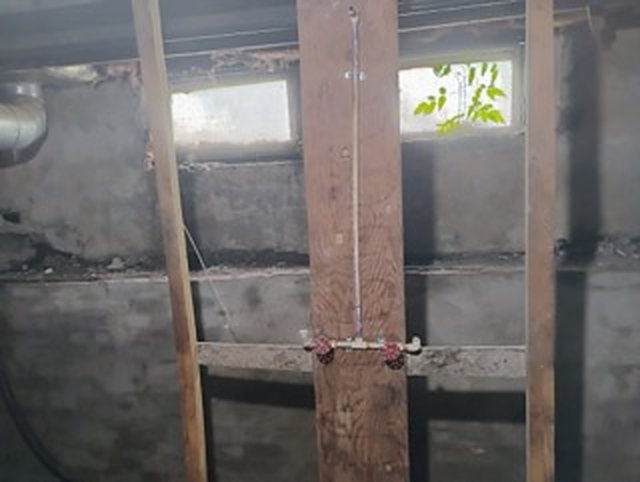
- Window wells that fill up and spill in around the window
- Gutters that overflow and downspouts that empty right at the foundation
- Ground that slopes toward the house instead of away from it
- Spots where a pipe or line comes through the wall
Stone, block or poured concrete
What the wall is made of changes how it leaks and how it gets fixed, and Des Moines has all three kinds.
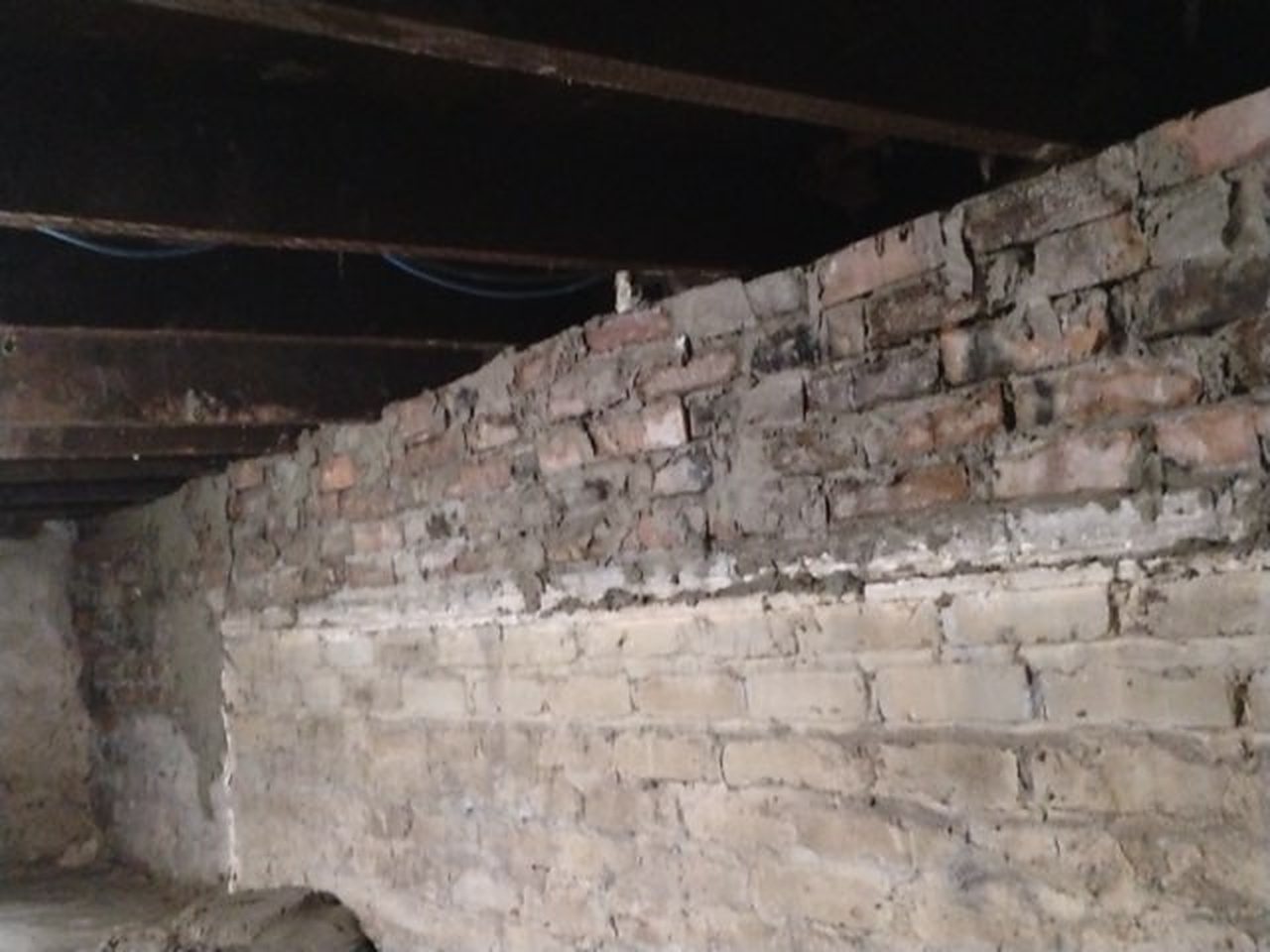
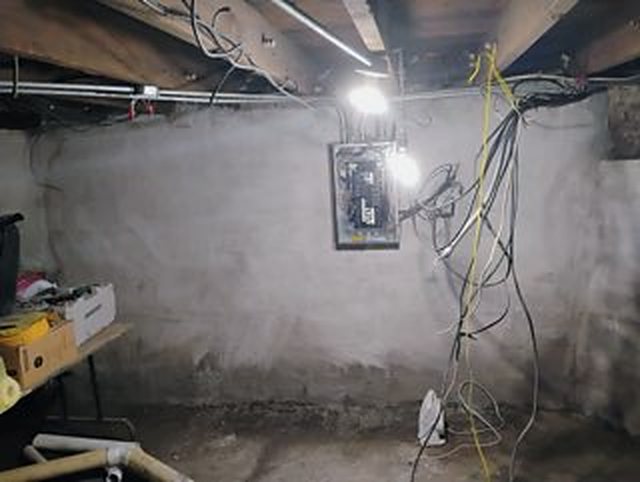
In the older neighborhoods north and west of downtown, like Sherman Hill, Drake, Beaverdale and Highland Park, and in parts of the south side, a lot of houses went up between the late 1800s and the 1940s. Many sit on basement walls of rough stone laid in soft lime mortar, or on old brick. Those basements tend to be low and damp, with small windows at the top of the wall and brick piers holding up the floor above. Water seeps through the joints, the mortar washes out, and over time the wall starts to crumble.
Houses from the middle of the century mostly have concrete block walls. Block cracks along its mortar joints, often in a stair step line, and wet clay pushing on a block wall through the winter can make it bow inward.
Newer houses mostly have poured concrete walls. Those tend to leak at cracks, at the joint where the wall meets the floor, and around the window wells.
Finding the spot before fixing it
Joe starts with where the water is getting in. He looks at what the wall is made of and where the wet shows up first, and at the outside of the house on that side: the gutters, the downspouts, the window wells and the way the ground slopes. A downspout that dumps at the corner or a yard that tips toward the house can put water in a basement all by itself.
A wet corner under a downspout points one way. A crack that only weeps after a long soaking rain points another. You hear what Joe found and what he would do before anything gets dug or cut.
Digging along the outside of the foundation
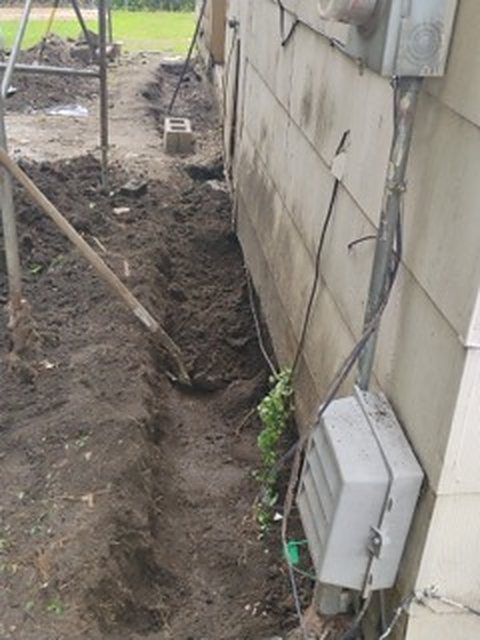
Some leaks are easier to fix from the side the water comes from. For those, Joe digs a trench along the outside of the foundation. With the dirt out of the way, the outside of the wall is in the open, with its cracks, its open joints and the places where water has been running down it.
It is a bigger job than working from inside. The dirt has to go somewhere, which usually means a pile on the lawn for a while, and anything planted or built against that wall is in the way, like bushes, a patio or a deck. When the dirt goes back in, it should slope away from the house.
Drain tile along the footing often comes up on an outside job. Ask Joe about it.
Working from inside on old walls
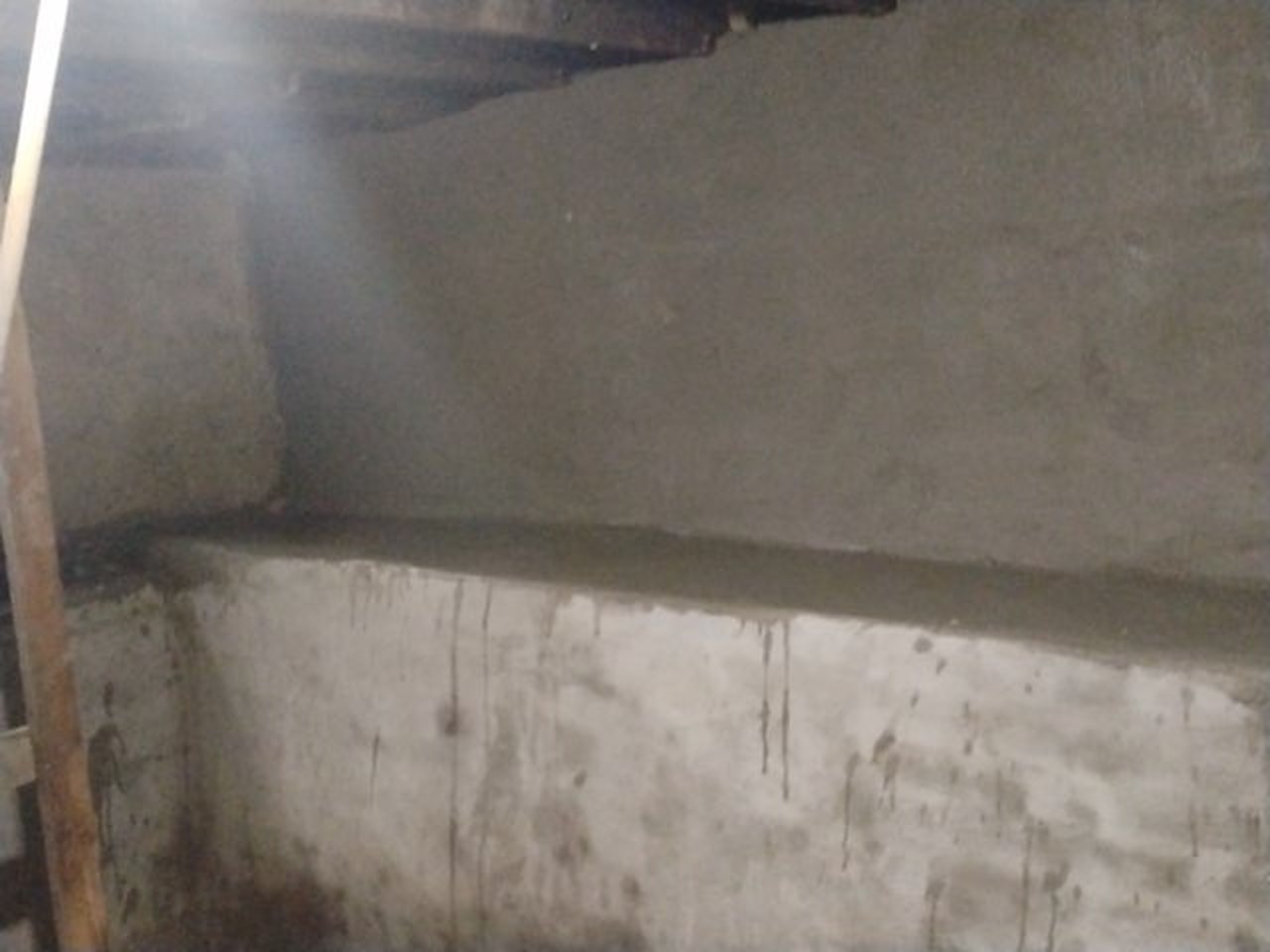
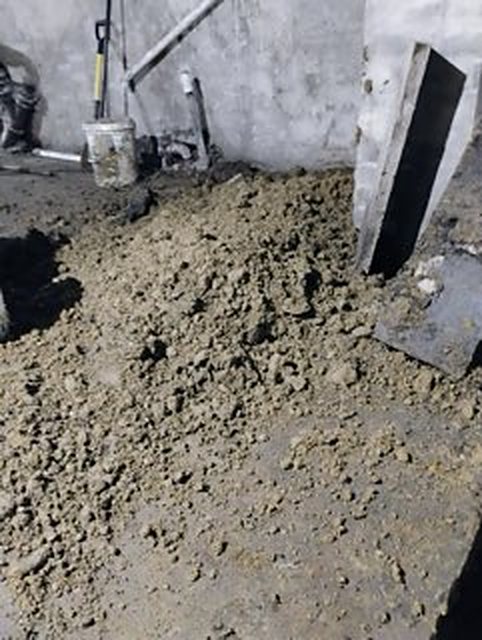
In older Des Moines basements a lot of the water comes through the wall itself. A stone or brick wall laid in lime mortar lets water through wherever the mortar has gone to sand. On walls like that, Joe cuts out and packs the worst joints, fills the holes, and coats the wall in cement. Where the bottom of a wall needs it, he pours a new concrete ledge along the base. Some jobs mean digging inside the basement too, with a shovel and a bucket.
A coat of cement holds a crumbling wall together and slows damp coming through. On its own it will not hold back water that is pushing hard through the wall, so the water still has to be handled where it starts. The basement wall repair page goes into that work in more detail.
Work that goes along with it
Wet basements and worn out walls tend to show up together, and so does the work.
- Basement wall repair: old stone and brick walls filled, coated in cement, and given a concrete ledge at the base where they need one
- Tuckpointing: mortar that has turned to sand cut out and packed new, in the basement and on the outside of the house
- Egress windows: a bigger opening cut in the foundation wall, a window big enough to climb out of, and the well outside it
- Window wells: new wells, and old ones replaced when they have rusted through or keep filling with water
Drain tile, sump pumps and old windows
Drain tile, sump pumps, and swapping old basement windows for new ones in the same opening come up a lot with wet basements as well. Ask Joe about those when you call or text.
Sending Joe a look at it
Call or text Joe at (515) 777-5018. Photos help the most: one of the whole wall, one up close on the worst spot, and one from outside on the same side of the house. Add a line about when it gets wet, like after every hard rain or only in spring, and what part of Des Moines you are in.
JC Cement is based in Des Moines. If you live in a town near Des Moines, call or text and ask.